To become an apprentice in Ireland, you must be hired by an employer. Apprenticeship employers are formally approved by SOLAS in advance of employing apprentices. Apprentices get a formal contract of employment as part of their apprenticeship.
To find an apprenticeship, you can search for apprenticeship vacancies on the Apprenticeship Jobs Portal. You can search for vacancies by location and by apprenticeship. Your local Education and Training Board may hold details of employers seeking to employ an apprentice. This apprenticeship is managed by Louth Meath Education and Training Board (LMETB). If you are interested in a Robotics and Automation Apprenticeship, you should make contact with LMETB via [email protected].
Please note: To become a Robotics and Automation apprentice, you must pass the Ishihara Colour Vision Test (24 Plate Edition). For further information, contact your local Education and Training Board.
.
.
.
MAIN AIMS
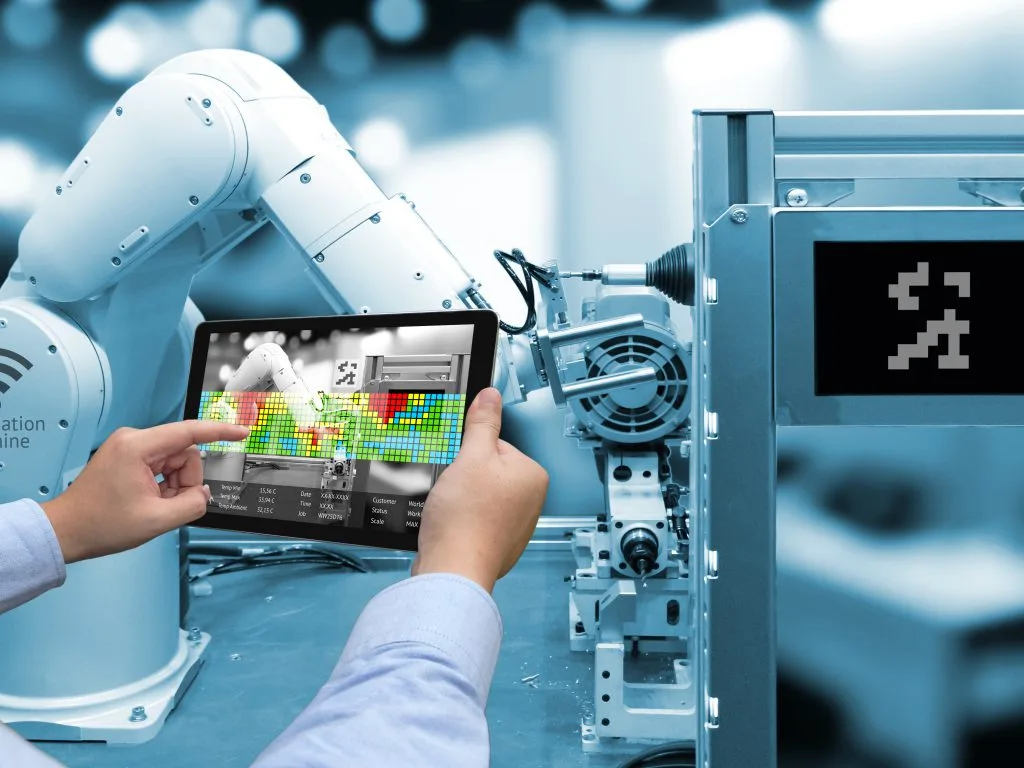
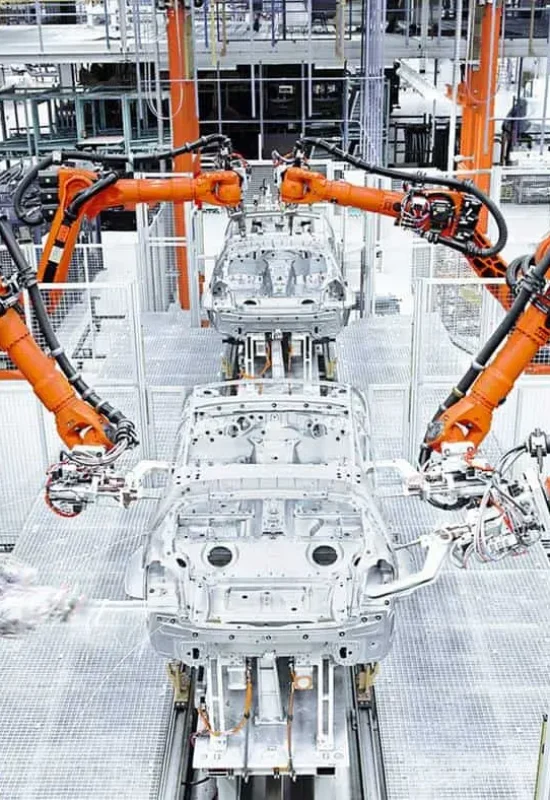
The Robotics and Automation Apprenticeship programme aims to provide a dedicated and practical programme for apprentices wishing to secure and retain employment in a robotics and automation technician role. Combining hands-on workplace experience with expert training at the AMTCE, you’ll gain the confidence and qualification (QQI Level 6) needed to thrive in Ireland’s advanced manufacturing sector.
Whether you’re starting your career or upskilling, this programme offers a direct path to exciting opportunities in a rapidly growing industry.
WHY CHOOSE THIS CAREER?
For School Leavers
High Demand: Join a rapidly growing sector with strong job security and plenty of opportunities nationwide.
Cutting-Edge Technology: Work with the latest robotics, automation, and Industry 4.0/5.0 innovations shaping the future of manufacturing.
Hands-On Learning: Gain practical skills through a blend of workplace experience and expert training, not just theory.
Career Progression: Start as a technician and open doors to supervisory, management, or higher qualification pathways.
Impactful Work: Play a key role in transforming industries and driving Ireland’s advanced manufacturing competitiveness globally.
For Upskillers & Career Changers
Stay Relevant: Update your skills to work with the latest robotics and automation technologies transforming manufacturing.
Boost Your Career: Enhance your expertise and open doors to advanced roles or new job opportunities in a high-tech sector.
Practical Training: Combine your existing knowledge with targeted hands-on learning and workplace experience.
Industry-Recognised Qualification: Gain a QQI Level 6 certificate that adds real value to your professional profile.
Contribute to Innovation: Join a sector that’s critical to Ireland’s economic growth and technological advancement.
,
SKILLS YOU WILL GAIN
AS A ROBOTICS AND AUTOMATION APPRENTICE
Robotics Programming & Integration:
Design, programme, and integrate robotic systems to optimise manufacturing processes.
System Operation & Maintenance:
Operate, calibrate, troubleshoot, and maintain automated and robotic equipment safely and efficiently.
Industry 4.0/5.0 Technologies:
Apply digital tools and techniques related to smart manufacturing, including data analysis and system digitisation.
Health & Safety Compliance:
Develop a strong safety mindset and apply relevant regulations and standards in all workplace activities.
Problem Solving & Innovation:
Analyse challenges, evaluate information, and develop creative, practical solutions independently.
Teamwork & Leadership:
Work effectively within teams, lead activities, and contribute to workplace development and performance.
Technical Communication:
Communicate complex technical information clearly and professionally in both written and verbal forms.
Continuous Learning:
Manage your own professional development and help others identify learning needs to keep pace with industry advances.
Ready to launch your career as a Robotics and Automation apprentice?
Apply now and join our dynamic community of future industry leaders!